Panic Bar Installation for Richmond Commercial Doors
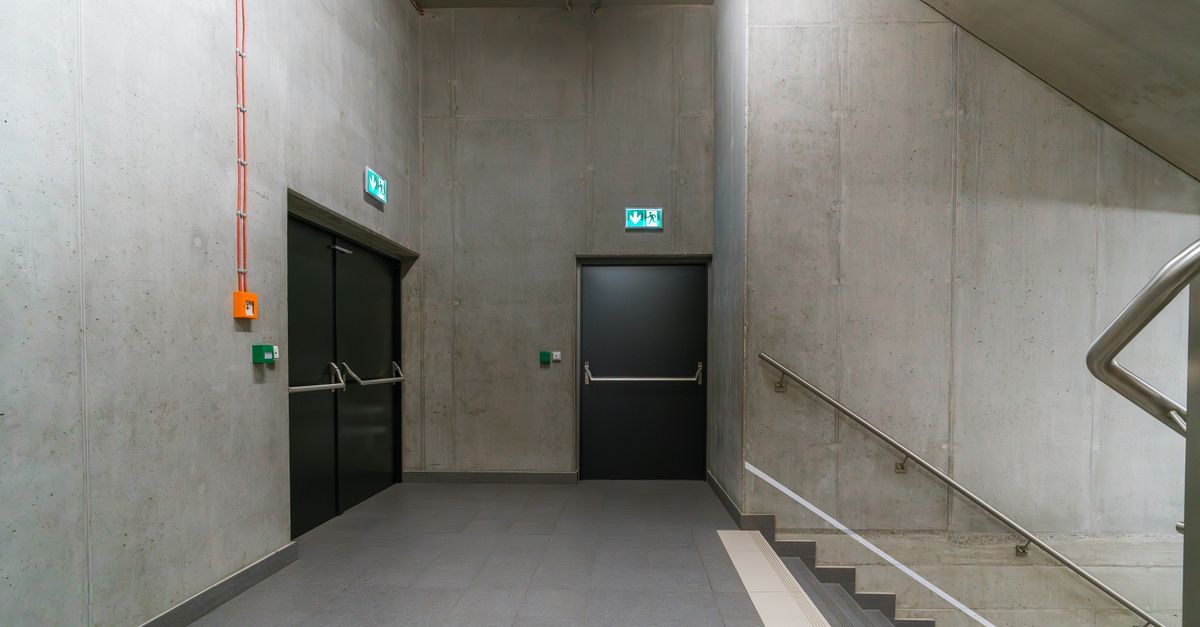
Getting a panic bar installation right the first time means choosing the correct device type for the door's construction, fire rating, and traffic volume — not just picking the first unit off a shelf. Our technicians evaluate the door thickness and material (hollow metal, wood, aluminum storefront), the existing strike and frame condition, whether a mortise lock body is already integrated into the door, and whether the device needs to be tied to an access control or alarm system. On busy commercial corridors in Richmond, we routinely install rim-type devices for light-duty applications and surface-vertical-rod or concealed-vertical-rod devices for pairs of doors where a center mullion is not present.
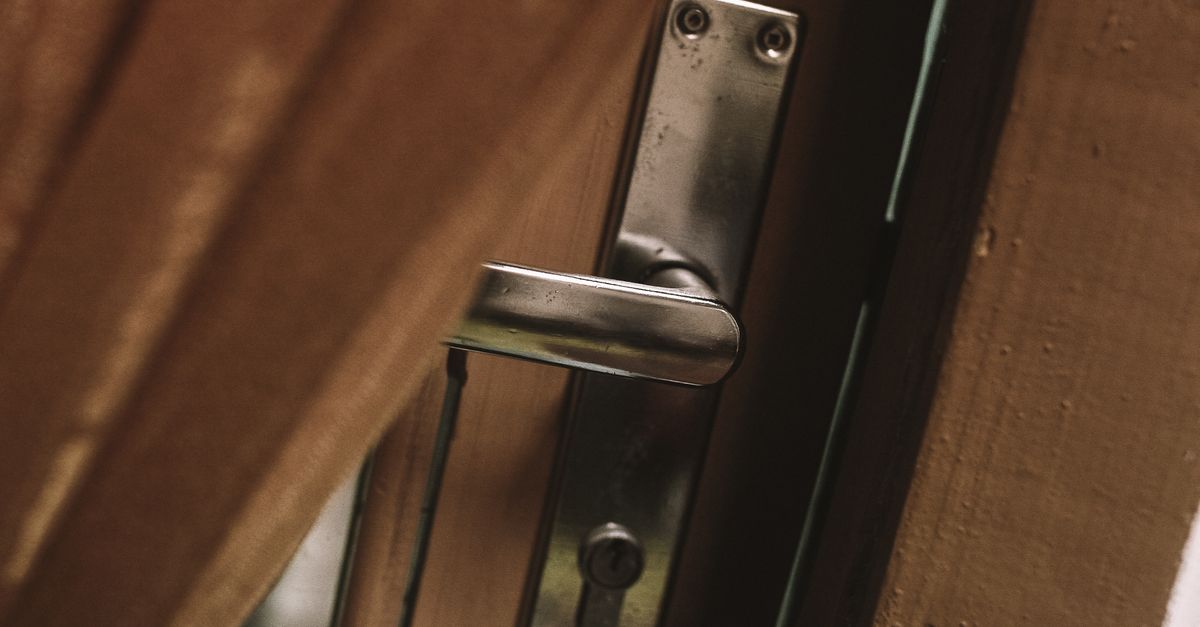
A panic bar with mortise lock functionality is common in Richmond office buildings and healthcare facilities where you need both the life-safety push-to-exit feature and the security of a full mortise lock cylinder on the exterior. The mortise lock body handles the deadbolt throw, the latch, and sometimes an auxiliary lock, all within a single housing mortised into the edge of the door. Our technicians are experienced in aligning the crossbar mechanism so it correctly retracts the mortise lock's latch and bolt simultaneously, a step that demands precise measurement and adjustment — done wrong, the door either does not latch or the bar feels impossibly stiff. If your building requires crash bar installation on a fire-rated pair of doors, we bring the appropriate listed hardware and complete the work to satisfy California Title 19 exit requirements.